
When AI Personalization Reduces Trust Instead of Increasing Conversion
AI personalization and trust are often assumed to move in the same direction in digital strategy. It is treated as a rational mechanism: tailor messages to individuals, increase…

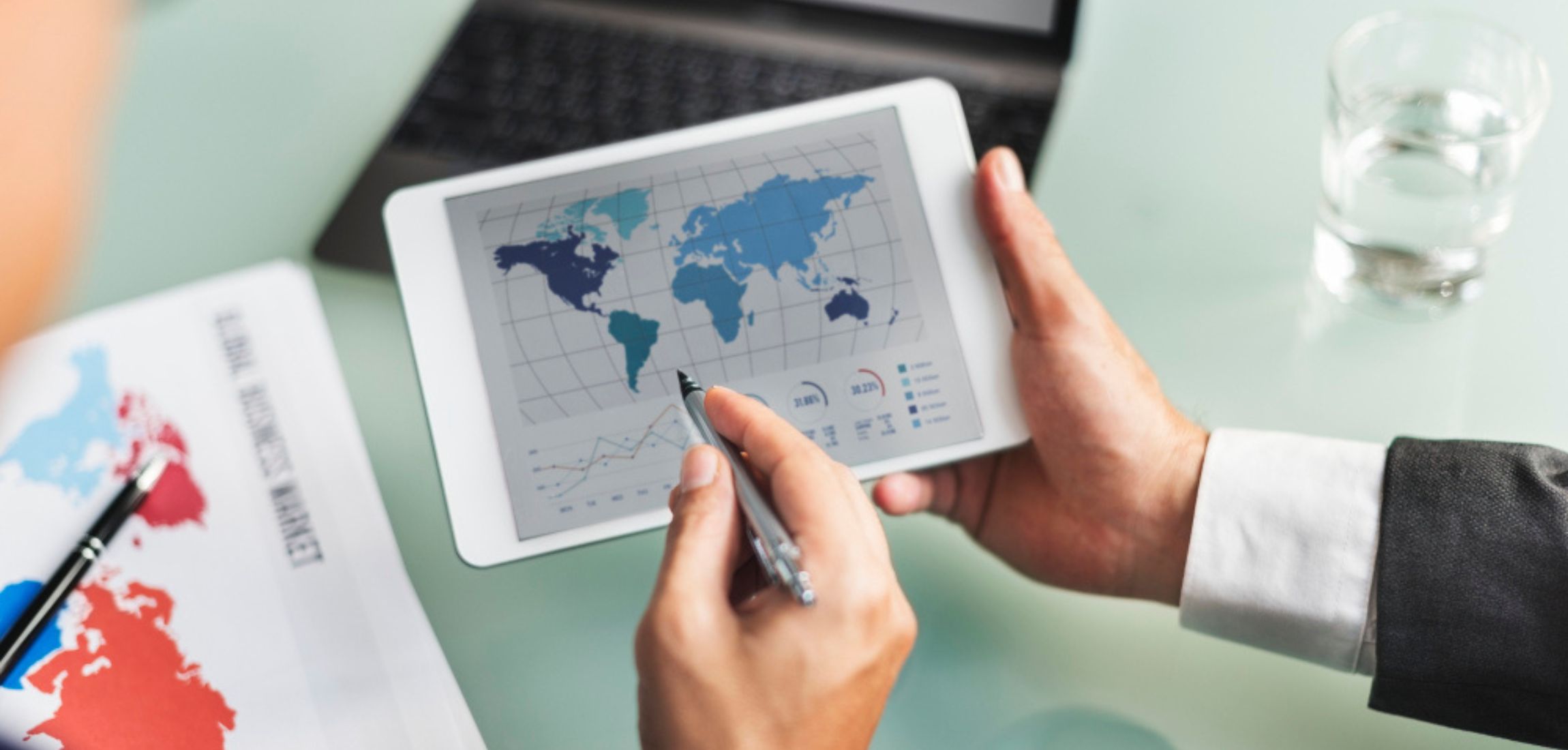
Over the past decade, I’ve had the privilege of working in different roles— from marketing consultant and sales person to digital strategist—across a wide variety of businesses. I’ve also had the opportunity to train hundreds of enterpreneurs, focusing on the transformative power of digital marketing. Through these experiences, I’ve seen firsthand just how much digital tools can revolutionize a company’s expansion efforts—including export ventures.
Today, exporting is no longer reserved for the biggest players. Whether you’re a startup or a well-established brand, the question is no longer, “Can I export?” but rather, “How can I export effectively?” And that’s exactly where digital marketing steps in. Below, I’ll share insights drawn from my professional journey on how digital marketing can help you broaden your horizons beyond domestic borders.
One of my core areas of expertise is creating efficient marketing strategies, and a central pillar of any strategy is understanding your audience. When it comes to export, audience research becomes absolutely vital.
Tools like Google Ads and Facebook Ads not only let you select demographics, interests, and behaviors, but also specific countries, cities, and even languages. Before stepping foot in a new market, use these platforms—and others like them—to gauge interest in your products or services.
While working as a consultant for diverse businesses, I’ve seen how localized content resonates far more powerfully than generic one-size-fits-all messaging. Translating or adapting your website, social media posts, and ads to suit the cultural and linguistic nuances of your target market can be the difference between a visitor who scrolls past and a customer who stays.
By carefully selecting and understanding your international audience, you set a solid foundation for every other aspect of your export strategy.
No matter where your business is based, trust is the fuel that drives purchases. When entering a new market, establishing credibility becomes even more critical. Over the years, I’ve helped businesses of all sizes build and maintain a trustworthy online presence—these are a few tried-and-true methods:
In my work as a marketing trainer for government projects, I’ve seen one recurring theme: people respond to businesses that truly engage with them. Digital marketing provides unparalleled tools for fostering these connections at scale.
Genuine engagement is the bridge between you and your new customers. It turns strangers into followers and followers into brand advocates.
Something I’ve consistently emphasized in workshops and corporate consulting sessions is the power of data. Digital platforms provide real-time analytics that can guide every step of your export journey.
Data helps you make informed decisions rather than relying on guesswork. With each campaign, you’ll learn more about what makes your new market tick—ultimately accelerating your export success.
When I consult with entrepreneurs, the question of cost inevitably comes up. Traditional methods—like opening offices abroad, hiring large local teams, or attending multiple international trade fairs—can be expensive, especially for small and medium-sized enterprises (SMEs). Digital marketing, on the other hand, offers a cost-effective gateway for reaching massive audiences.
Exporting isn’t an intimidating leap into the unknown anymore. With digital marketing as your ally, it’s more like a well-planned series of steps. From market research and localized content to social proof and data-driven refinements, each step guides you closer to building a strong international presence.
So, if you’re contemplating whether you should export, let me assure you: the world is more accessible than ever. Through the right blend of digital strategies and a focus on relationship-building, you can confidently introduce your products or services to new audiences—expanding your horizons in a sustainable, cost-effective way.
Article by Dario Sipos.
Dario Sipos, Ph.D., is a Digital Marketing Strategist, Branding Expert, Keynote Public Speaker, Business Columnist, Author of the highly acclaimed books Digital Personal Branding and Digital Retail Marketing.
Readers who wish to explore the underlying research, citations, and peer-reviewed publications can find them via his Google Scholar Profile.
His verified academic identifier is available through ORCID.
AI personalization and trust are often assumed to move in the same direction in digital strategy. It is treated as a rational mechanism: tailor messages to individuals, increase…

For a while now, the discussion around artificial intelligence in advertising has sounded almost alarmist. What if nothing is actually broken yet? What if we are simply…
If 2025 taught retailers one big lesson, it is this: consumers did not stop buying, they became much better decision-makers. Shoppers…